
Understanding the psychological effects of gambling on decision-making behavior
The Allure of Gambling: An Overview
Gambling has captivated humans for centuries, evolving from simple games of chance to elaborate casinos that offer a range of gambling options. This allure can be attributed to the psychological stimulation that comes with the thrill of risk and reward. The anticipation of winning creates a rush that many find irresistible, often overshadowing the potential negative consequences of gambling behavior. For those interested in exploring gaming options, taya365 provides various engaging platforms.
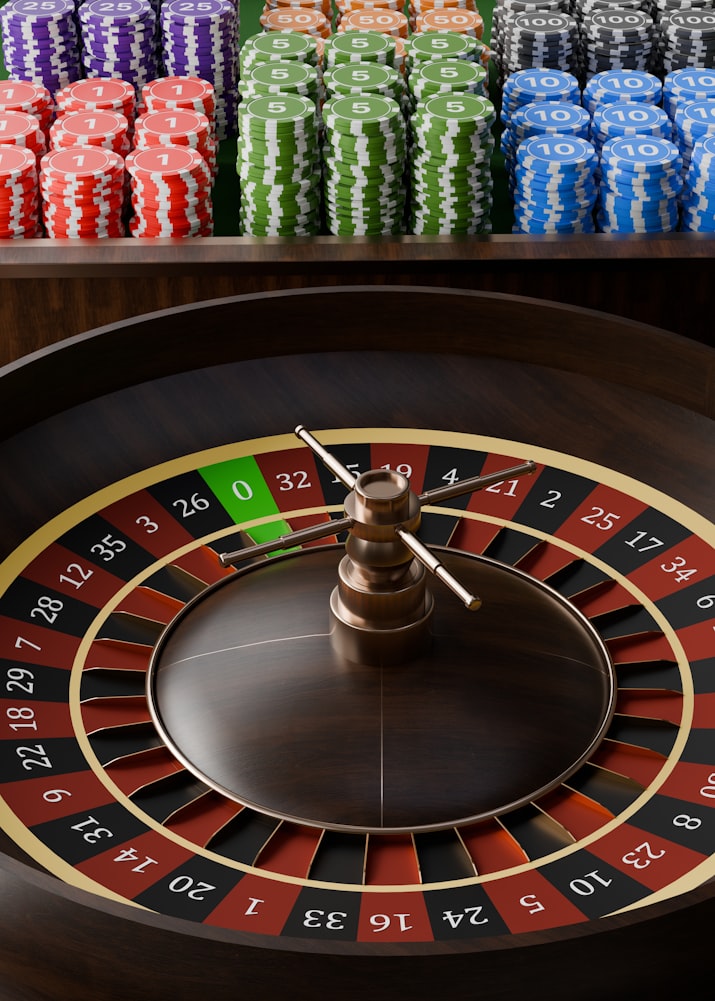
As individuals engage in gambling, their decision-making processes can become heavily influenced by emotions and cognitive biases. Understanding these psychological effects is crucial in deciphering why people sometimes engage in irrational betting behaviors, leading to severe consequences in their lives.
The Impact of Cognitive Biases
Cognitive biases play a significant role in how gamblers make decisions. For instance, the illusion of control can lead individuals to believe they have more influence over the outcome than they actually do. This belief can foster a persistent engagement in gambling, despite evidence to the contrary. Gamblers often convince themselves that their choices can impact the randomness of games, which can significantly distort rational decision-making.
Another common bias is the gambler’s fallacy, where individuals believe that past outcomes influence future results. For example, a player may think that after several losses, a win is “due.” This erroneous thinking can lead to continued gambling, further entrenching them in a cycle of poor decision-making driven by false assumptions.
The Emotional Rollercoaster of Gambling
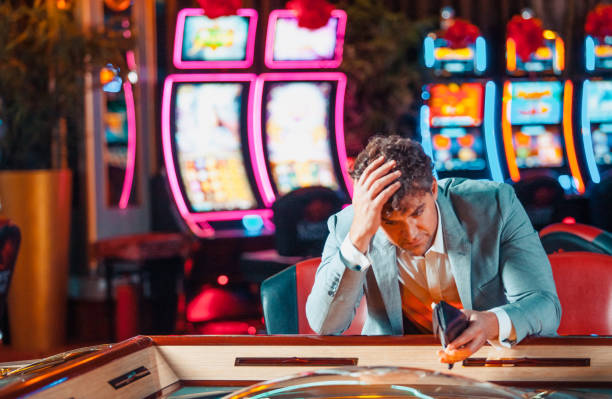
The emotional highs and lows associated with gambling can profoundly affect decision-making behavior. Winning can create euphoric feelings, encouraging players to continue their activities in hopes of replicating that success. Conversely, losses can lead to frustration and desperation, often resulting in riskier decisions as individuals attempt to chase their losses.
These emotional swings can create a feedback loop that reinforces gambling behavior. The pursuit of a high can make individuals overlook the logical evaluation of risks, causing them to make hasty decisions that further jeopardize their financial and emotional well-being.
The Role of Environment in Gambling Behavior
The environment in which gambling occurs also has a significant impact on decision-making. Casinos and gambling venues are designed to create immersive experiences that stimulate excitement and engagement. The bright lights, sounds, and social interactions are carefully curated to keep players engaged and often lead to impulsive decisions.
Additionally, social influence plays a role in gambling behavior. Observing others’ wins and losses can skew one’s perception of the likelihood of success, leading to decisions that may not align with an individual’s best interests. Understanding the environmental factors at play can shed light on how external elements can affect rational decision-making during gambling.
Conclusion and Resources
In conclusion, the psychological effects of gambling on decision-making behavior are complex and multifaceted. Cognitive biases, emotional influences, and environmental factors can all contribute to irrational choices and reinforce gambling patterns that may lead to adverse outcomes. Recognizing these psychological elements is vital for anyone looking to understand their gambling habits or those of others.
For individuals seeking to comprehend these influences further, various resources are available that offer insights into the psychology of gambling. Engaging with educational materials and support networks can foster a better understanding of the intricate relationship between psychology and gambling, leading to healthier decision-making and behaviors.